Government Plans & Heat Strategy
The UK Government has set a legally binding target to achieve net-zero greenhouse gas emissions by 2050, supported by interim carbon budgets including a 68% reduction by 2030 compared with 1990 levels. To deliver this, recent policy has focused on decarbonising buildings through tighter regulation and strategic planning.
From 2026, heat network zoning will be introduced in England, requiring local authorities to designate zones where low-carbon district heating is the preferred solution, alongside new consumer protection and market rules overseen by Ofgem.
These measures align with the Warm Homes agenda, which includes large-scale public investment to improve insulation, expand heat pump deployment, and reduce fuel poverty, building on schemes such as the Boiler Upgrade Scheme and the Future Homes Standard to cut emissions while lowering household energy bills.
NovoHeat Services to
1Energy Group Projects
Falah Mousa, MD of NovoHeat, has played an active and instrumental role across the full project lifecycle for multiple 1Energy Group projects. His contributions have included leading the initial Green Heat Network Fund (GHNF) applications, driving the commercialisation of each scheme, developed the procurement strategy and conducted fully procurements, putting in place construction contracts, and, in the case of Bradford, managing the initial stages of delivery of the city-centre heat network and the construction of the energy centre.
Role of NovoHeat
NovoHeat is currently providing client-side design and technical advisory services across 1Energy’s projects in Bradford, Exeter, and Milton Keynes. NovoHeat ensures that all procured designs for connections, skids, and associated works are accurate, fully coordinated, and fit for purpose. This includes reviewing design proposals, validating technical specifications, and overseeing construction readiness to meet operational, safety, and performance standards.
By providing rigorous technical guidance and design assurance, NovoHeat supports 1Energy in delivering reliable and efficient energy networks. Oversight of connection works and skids ensures the systems operate as intended, reduces the risk of design errors, and improves long-term operational performance.
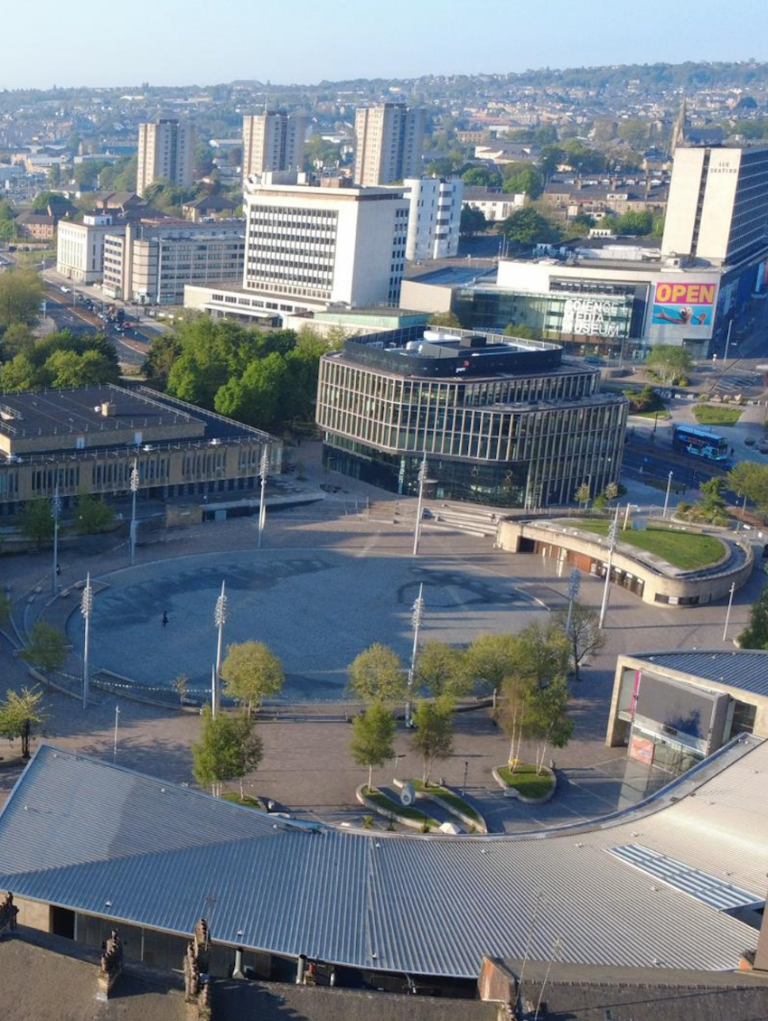
Bradford Energy Network
The Bradford Energy Network is a c.£70 million district heating scheme currently under construction and scheduled to begin supplying heat in autumn 2026 to key public buildings in the heart of Bradford. The project is a cornerstone of the city’s low-carbon transition, designed to deliver reliable, locally generated heat while significantly reducing carbon emissions and improving local air quality. Once operational, the energy centre will generate enough low-carbon heat to supply the equivalent of approximately 10,000 homes.
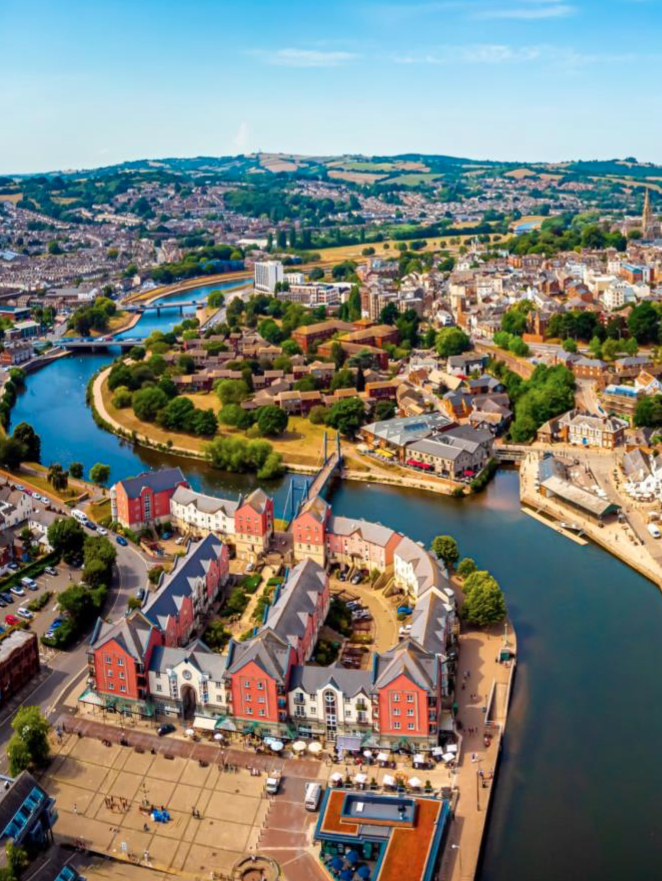
Exeter Energy Network
The Exeter Energy Network is a Low-to-Zero Carbon (LZC) heat network being developed in central Exeter. The project will deliver renewable heat to buildings in and around the city centre via a network of large underground pipes, supporting Exeter’s transition to low-carbon heat. The network represents a £120 million investment in the city’s sustainable energy infrastructure.
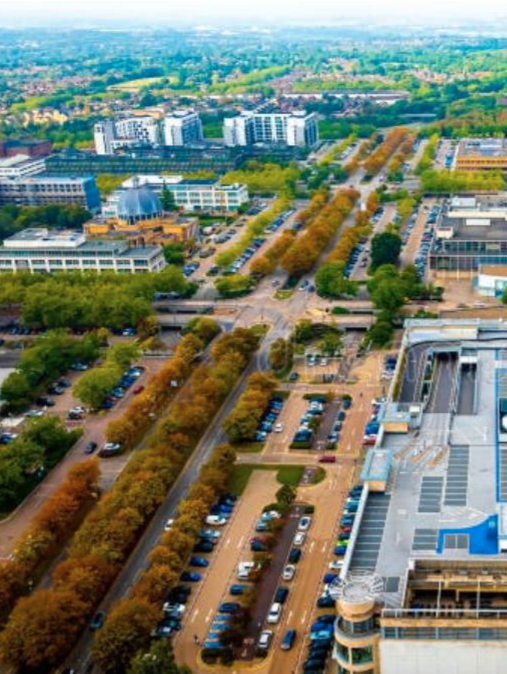
Milton Keynes Energy Network
The Milton Keynes Energy Network has secured £17.6 million of funding through the Green Heat Network Fund (GHNF) to develop a new low-carbon heat network in Milton Keynes. The network will deliver renewable heat from a central energy centre to connected buildings across the city, supporting Milton Keynes’ ambitions to reduce reliance on fossil fuels and transition to a sustainable energy system. When completed in late 2027, the network is expected to cut the city’s carbon emissions by more than 15,000 tonnes per year.
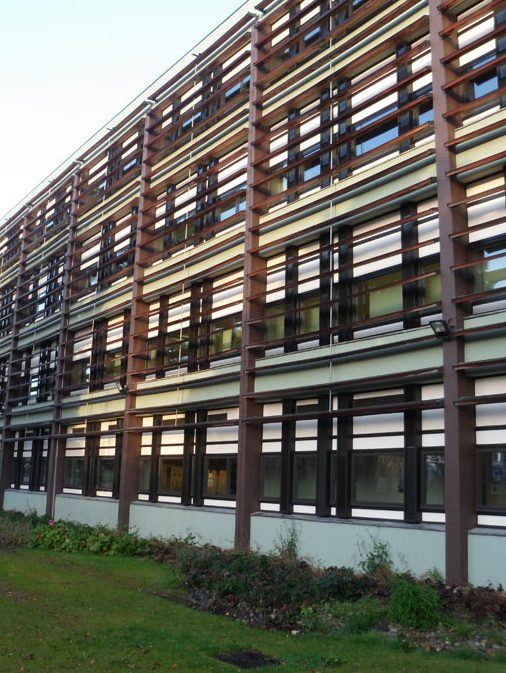
Connecting Chesham building to the Bradford Energy Network
1 Energy appointed NovoHeat Ltd to assess connecting the Chesham Buildings (University of Bradford) to the Bradford Energy Network. The buildings nearing end-of-life, the challenge was to deliver a low-cost, low-intervention solution.
Analysis showed the buildings could operate under lower network temperatures, though high return temperatures and control inefficiencies needed improvement. NovoHeat recommended minimal upgrades, including a new substation, improved controls, and phased optimisation rather than full system replacement. The approach enables cost-effective network integration, maintains occupant comfort, and reduces embodied carbon—while aligning with the buildings’ short remaining lifespan.